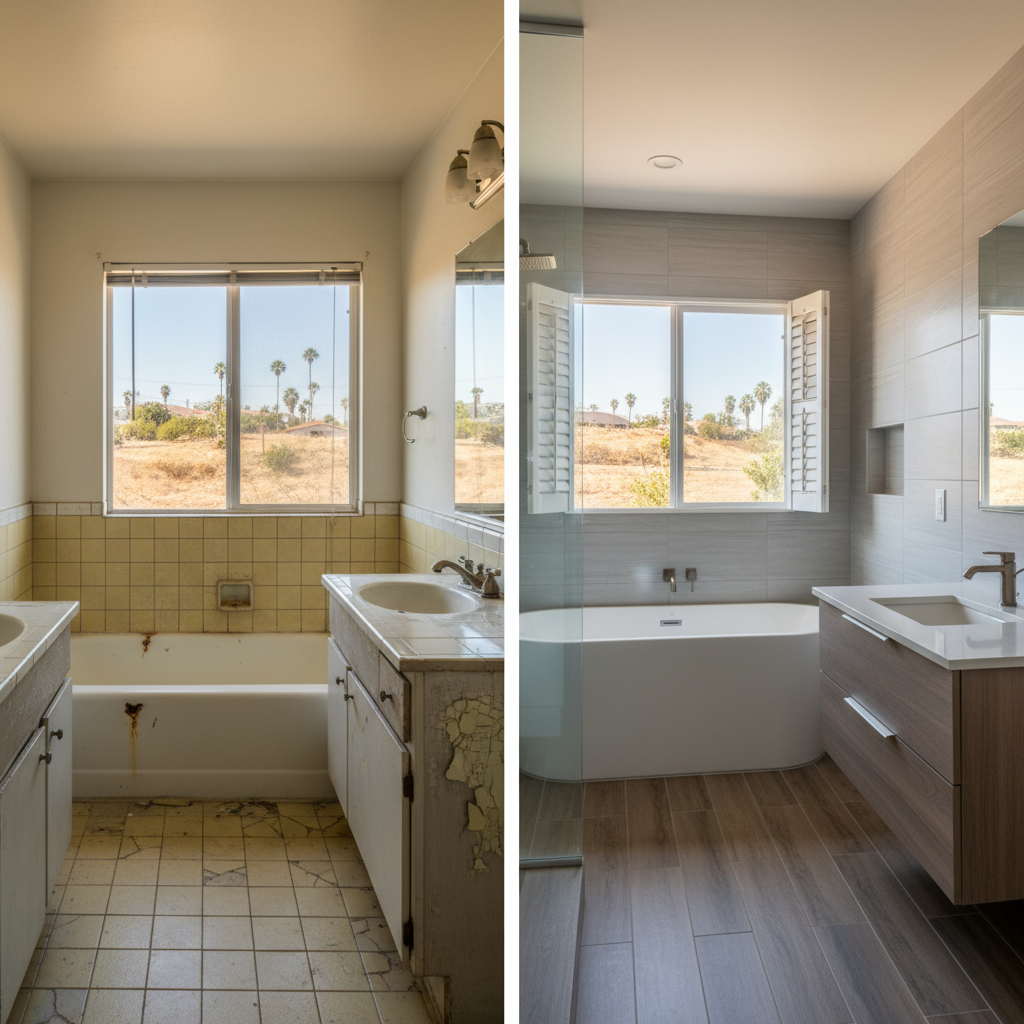
Alright, let's talk floors. When you're renovating a bathroom, kitchen, or even just updating a living space here in La Puente, one of the biggest decisions you'll face is what to put on the ground. For a lot of folks, it comes down to two main contenders: traditional tile or luxury vinyl plank (LVP). Both are popular, sure, but they're not the same. What works great for one house might be a real headache for another.
I've seen countless installations over the years, from the old homes near Workman Mill Road with their original hardwood to the newer builds up by the hills. So, let's just skip the marketing fluff and get right down to what you really need to know about tile versus LVP.
Cost: Upfront vs. Long-Term
This is usually the first thing people ask about, and it's not always as straightforward as it seems. Generally, LVP tends to be cheaper to buy and install than ceramic or porcelain tile. You can find decent LVP for a few bucks a square foot, and the installation labor is often less. Why? Because it's quicker and doesn't require specialized wet saws or messy grout work.
Tile, on the other hand, can range wildly in price for the material itself, and installing it is definitely more labor-intensive. You've got the cost of the tile, thin-set mortar, grout, and all the time it takes to lay everything out just right. If you're going for something high-end like natural stone or intricate mosaic work, that price gap widens even more. So, if your budget is tight and you need floors down fast, LVP usually wins on that initial sticker price.
Durability: What Can It Really Handle?
Now, this is where the conversation gets interesting, especially for homes around here. La Puente sees its share of sunshine and heat, and sometimes we get those unexpected downpours. You want something that can take a beating, right?
Tile, especially porcelain, is incredibly durable. It's waterproof, scratch-resistant, and won't dent. You could drop a cast-iron pan on it, and while the pan might chip, the tile will probably be fine. It's also fantastic for areas with high moisture, like bathrooms and kitchens, because water just can't get through it. The biggest durability issue with tile is cracking, usually because of poor subfloor prep or settling. But if it's installed right, it'll last decades.
LVP is also very durable, but in different ways. It's highly resistant to scratches and dents, and most modern LVP is 100% waterproof, making it a great choice for wet areas too. It's also much more forgiving if you drop something heavy – less likely to crack or chip than tile. However, LVP can sometimes fade in direct, intense sunlight over many years, though manufacturers are getting better about UV protection. And while it resists scratches, deep gouges can be harder to repair seamlessly than just replacing a single tile.
Maintenance: Keeping It Clean
Both options are relatively low maintenance, which is a big plus for busy homeowners. With tile, you're mostly concerned with keeping the grout clean. Grout lines can trap dirt and stain over time, especially if they're light-colored. Regular sweeping and mopping are usually enough, but you might need to scrub the grout periodically or get it professionally cleaned and sealed every few years. That's a small chore, but it's there.
LVP is even easier. A quick sweep, vacuum, or damp mop is all it takes. There are no grout lines to worry about, so it's a very hygienic option. Just be careful not to use harsh chemicals or abrasive cleaners, as they can damage the wear layer. Overall, LVP definitely has the edge on day-to-day cleaning simplicity.
Appearance & Feel: What Looks and Feels Right?
This is totally subjective, but there are some objective differences. Tile offers a huge range of styles, colors, and textures. You can get classic ceramic, sleek modern porcelain, or even natural stone looks. It feels solid and cool underfoot, which is a blessing during our hot La Puente summers. However, it can feel very hard and unforgiving if you're standing on it for long periods, and anything dropped on it is likely to break.
LVP has come a long, long way. Modern LVP can mimic wood, stone, or even concrete incredibly well. The textures are often surprisingly realistic. It's also warmer and softer underfoot than tile, which some people prefer, especially in bedrooms or living areas. It's also quieter to walk on. While it looks great, some people can still tell it's not the real thing, especially up close. But honestly, the quality is so good now that it fools most folks.
My Recommendation for La Puente Homes
So, what's my take? For a lot of homes in La Puente, especially in areas like kitchens, bathrooms, and high-traffic entryways, I usually lean towards porcelain tile.
- It's incredibly robust and handles our local climate's temperature swings without issue.
- It's completely waterproof, which is crucial for preventing water damage, especially with the occasional plumbing mishap or kids splashing in the bathroom.
- It adds a solid, premium feel to a home that can boost resale value.
- That cool feeling underfoot in the summer? Priceless.
That said, LVP is a fantastic option if you're on a tighter budget, want a warmer feel, or are looking for a quicker installation. It's also great for areas where you want the look of wood but need the durability of something waterproof, like a basement or a laundry room. It's also a good choice if you're planning on selling in the next few years and want a fresh look without a huge investment.
Ultimately, it comes down to your priorities. If you want something that's going to last practically forever, look great, and stand up to anything, tile is probably your best bet. Need something cost-effective, quick to install, and easy to maintain? LVP is a solid contender. Either way, make sure your subfloor is prepped right. That's half the battle, no matter what you choose. And if you need help with a bathroom renovation, you know who to call. We at Hacienda Heights Custom Bathrooms have seen it all.